
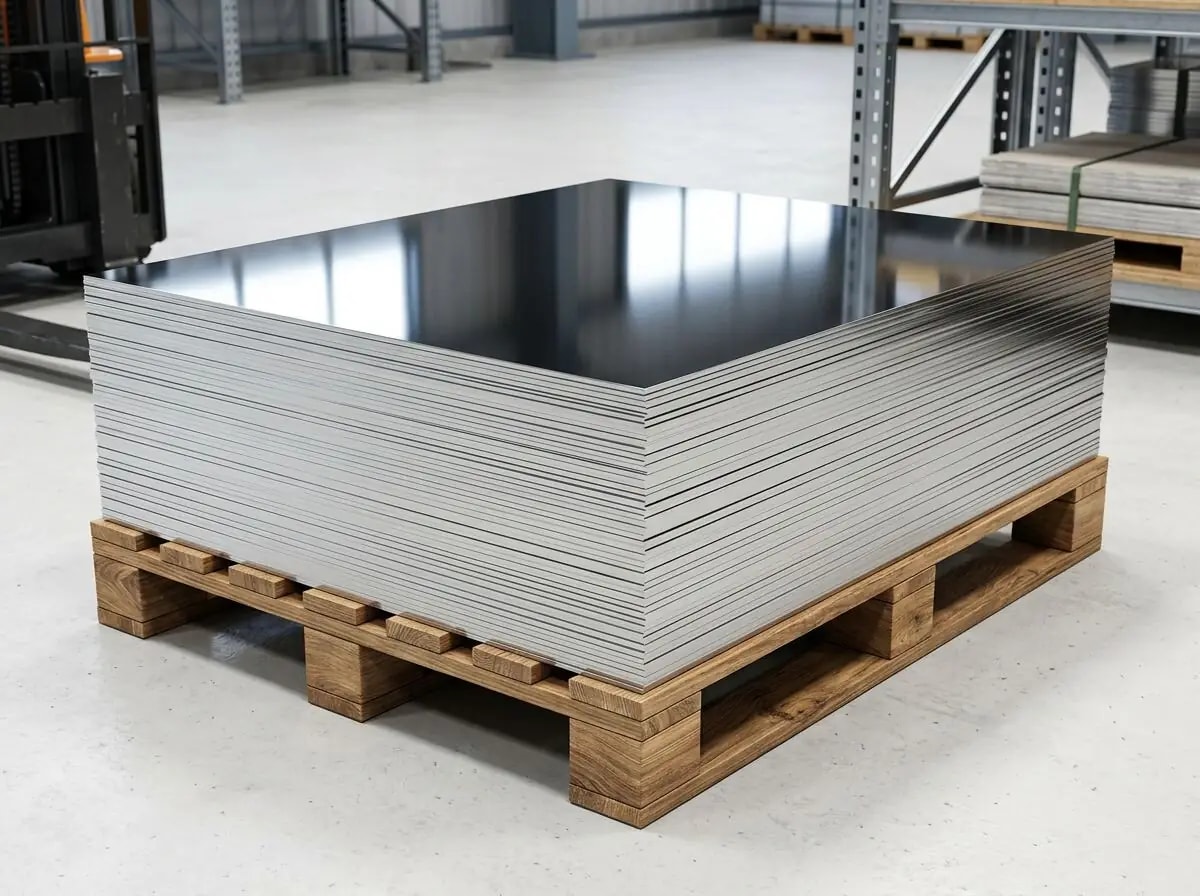
Product · HSN 7210
Tinplate
Food-grade tin-coated steel, the core substrate for cans and containers, available across temper grades T2 to DR9 with electrolytic tin coating.
Specifications
| Thickness | As per need (0.13 – 0.60 mm) |
| Coating Weight | 2.8/2.8 g/m² (other weights on request) |
| Material Grade | All types (MR / L / D) |
| Sheet Size | 712×952 mm (custom sizes available) |
| Tin Coating | Single Reduced / Double Reduced |
| Finish Type | Bright, Stone or Lacquered |
| Material | Electrolytic tinplate (ETP) |
| Usage/Application | All types of metal packaging |
| End Use | Paint Can, Food Can, Oil Can, Crown Cap |
| Temper | T1 to T5 and DR7 to DR9 |
| Feature | Corrosion Free |
| Standard | IS 1993:2018 / ISO 11949:2016 |
| HSN code | 7210 |
Where it is used

Food-safe, corrosion-resistant cans for processed foods and beverages.
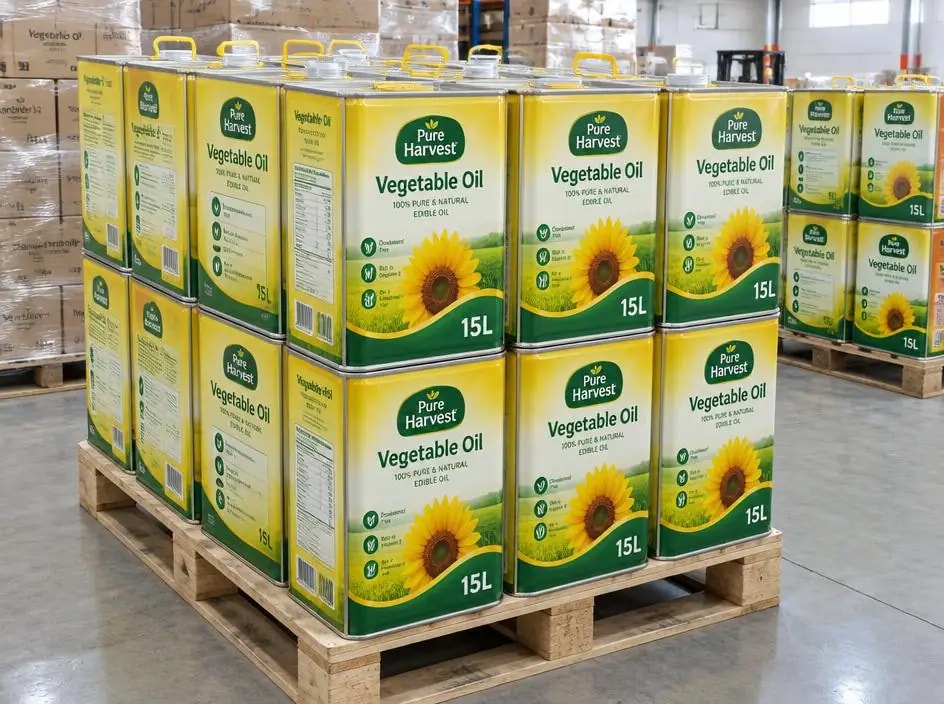
Leak-proof tins for edible oils, ghee and vanaspati.
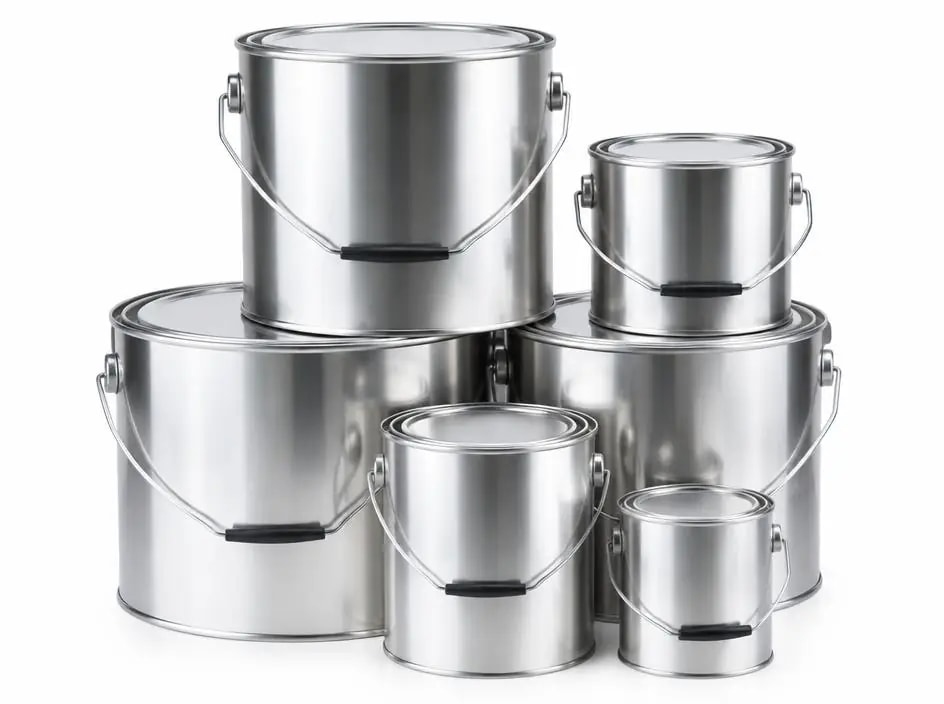
Strong containers for paints, inks and chemicals.
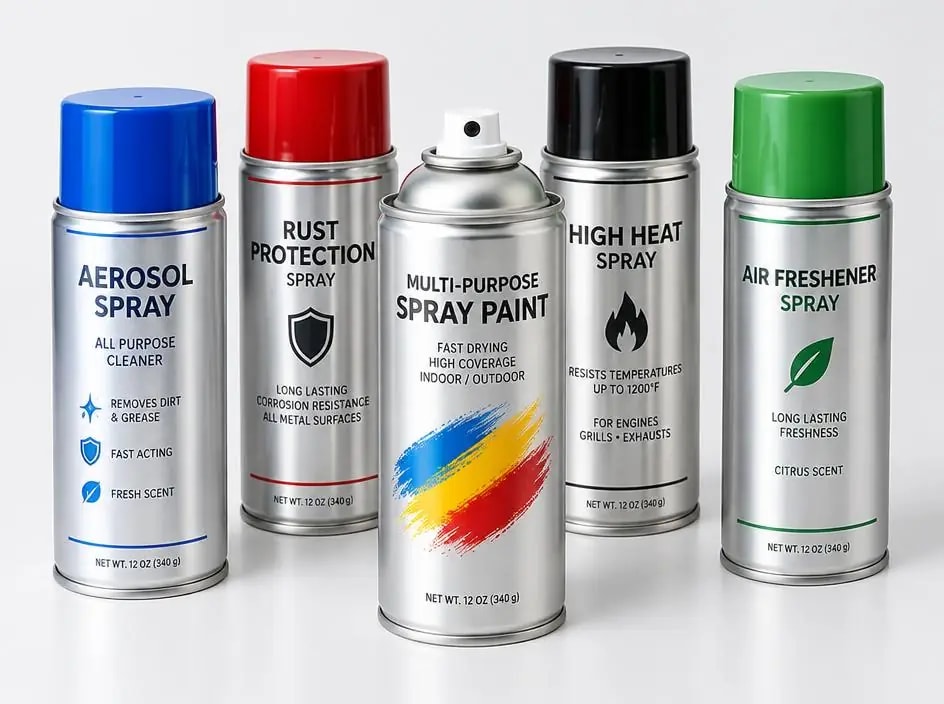
Pressure-rated bodies for sprays and aerosol products.
Available shapes & forms
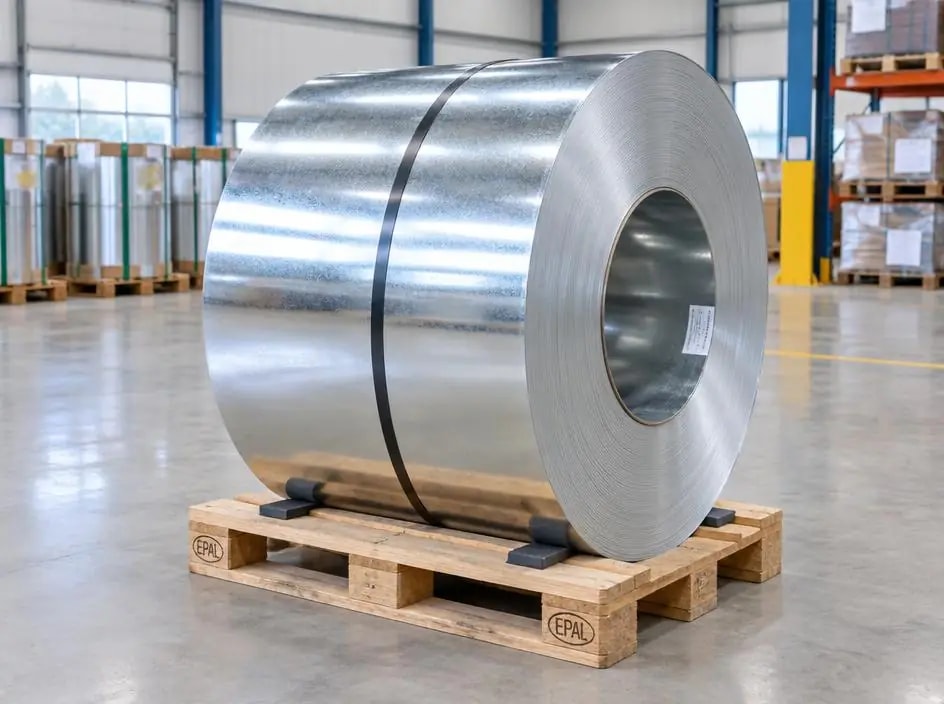
Full-width coils for your own slitting or cut-to-length lines.
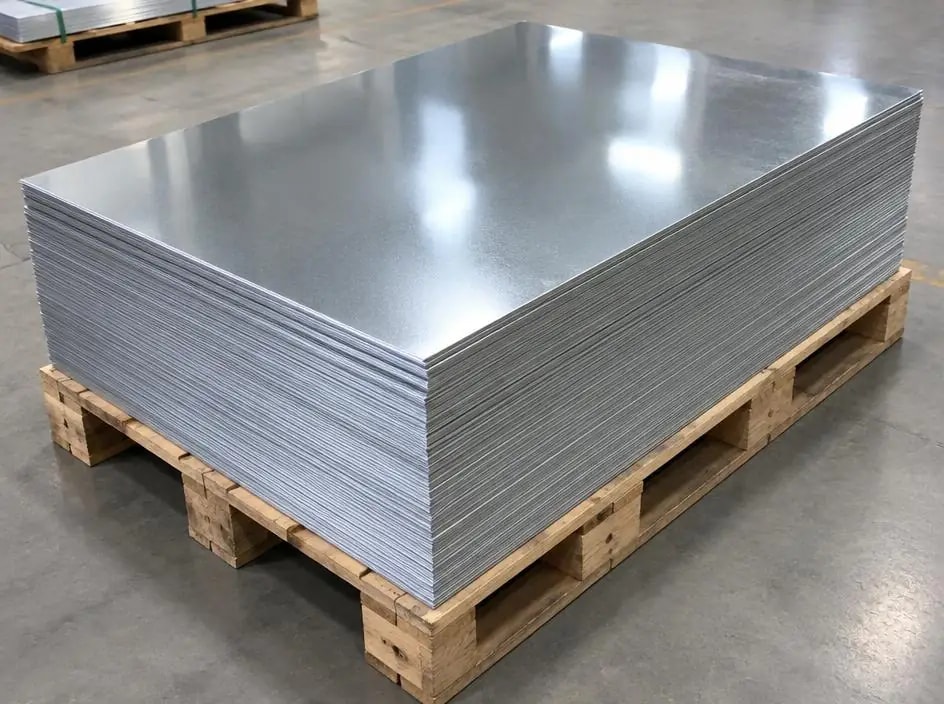
Cut-to-length sheets in standard or custom sizes.
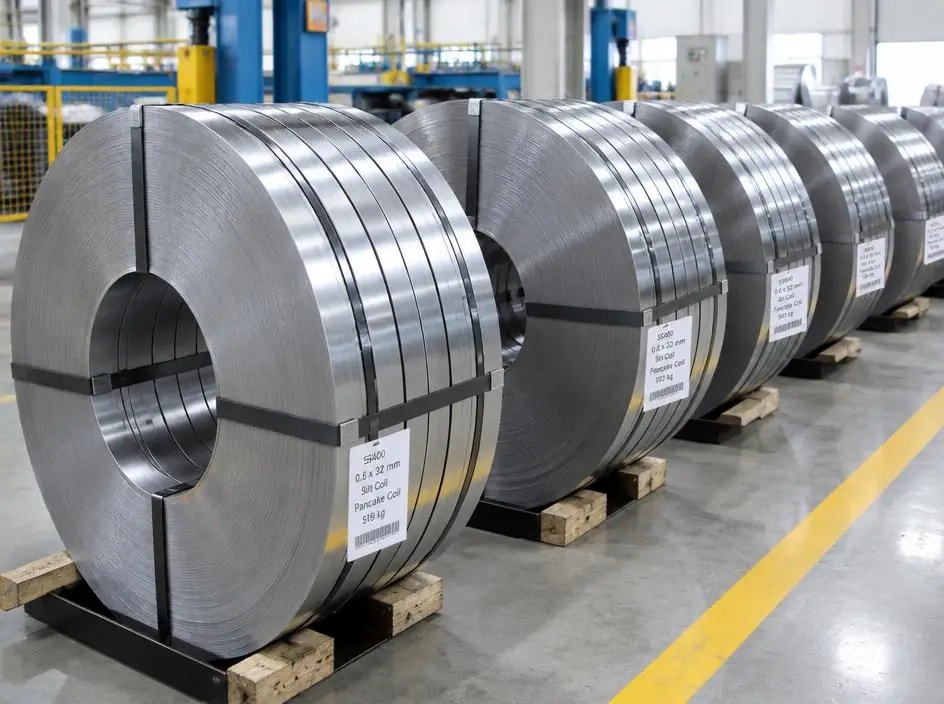
Slit narrow strips and pancake coils to exact widths.
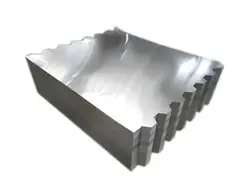
Scroll-sheared sheets for can ends with less scrap.
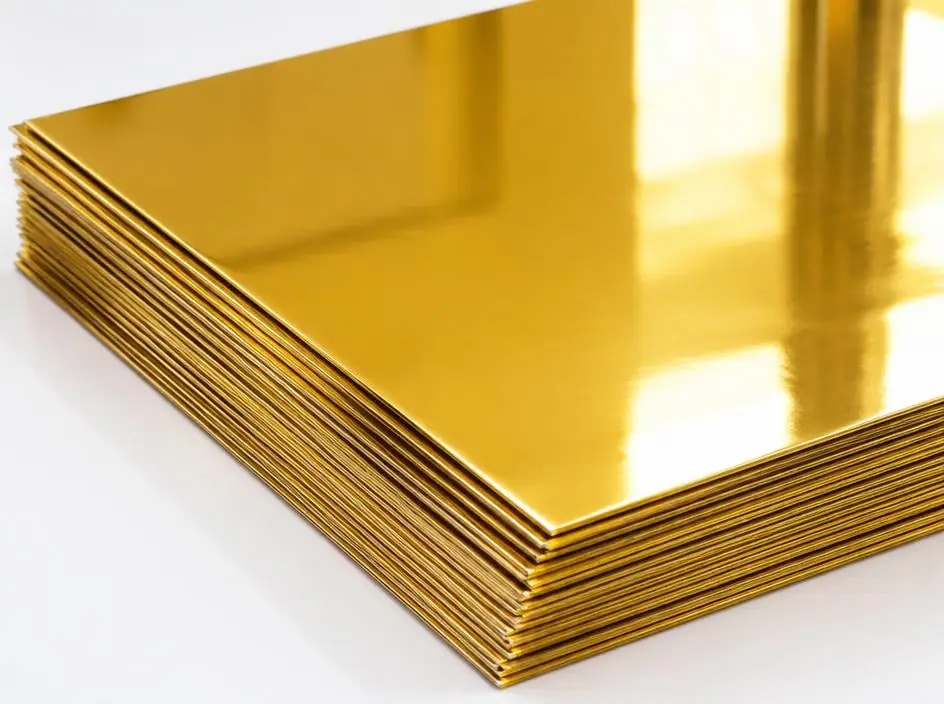
Gold, clear or white lacquered sheets, food-safe.
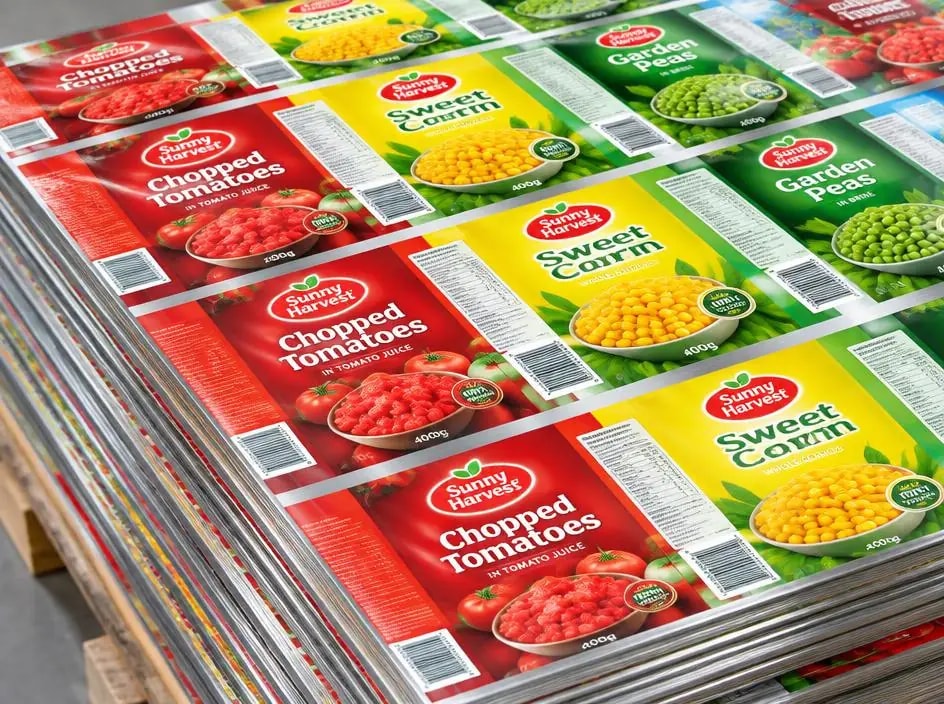
Offset-printed sheets ready for can making.
What Avighna does with Tinplate
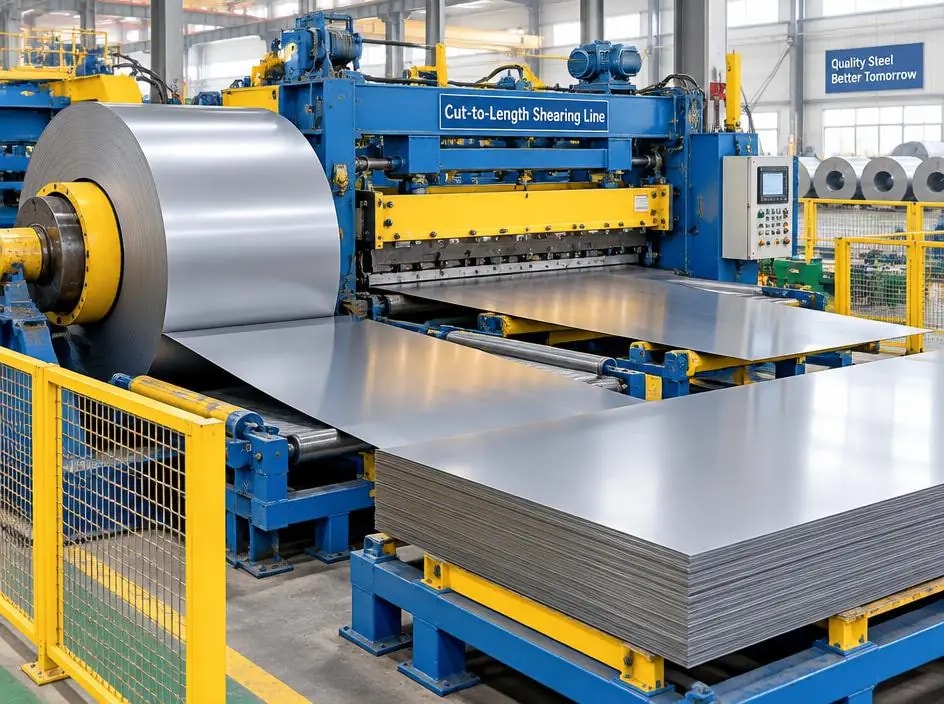
Coils cut to accurate sheet lengths and sizes for can lines.
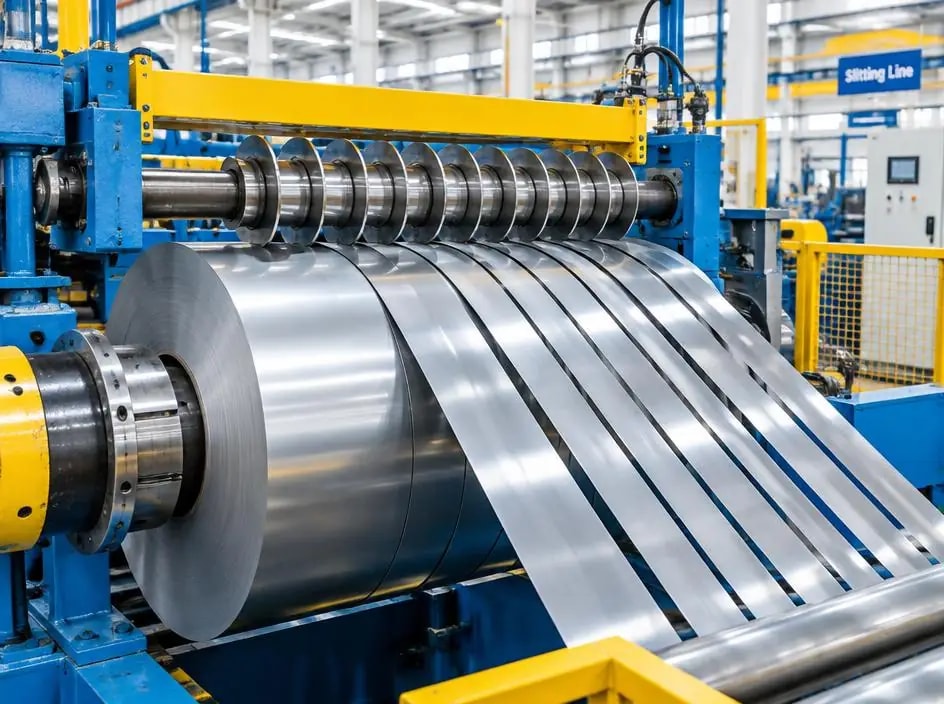
Precise narrow-width strips slit to your specification.
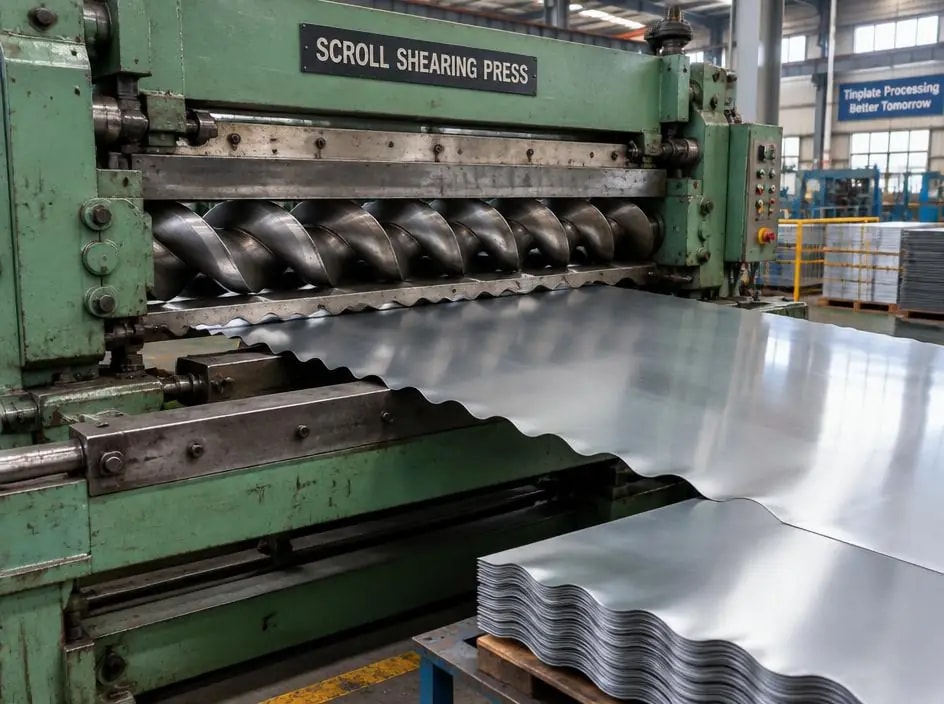
Scroll-sheared blanks for can ends that save material.
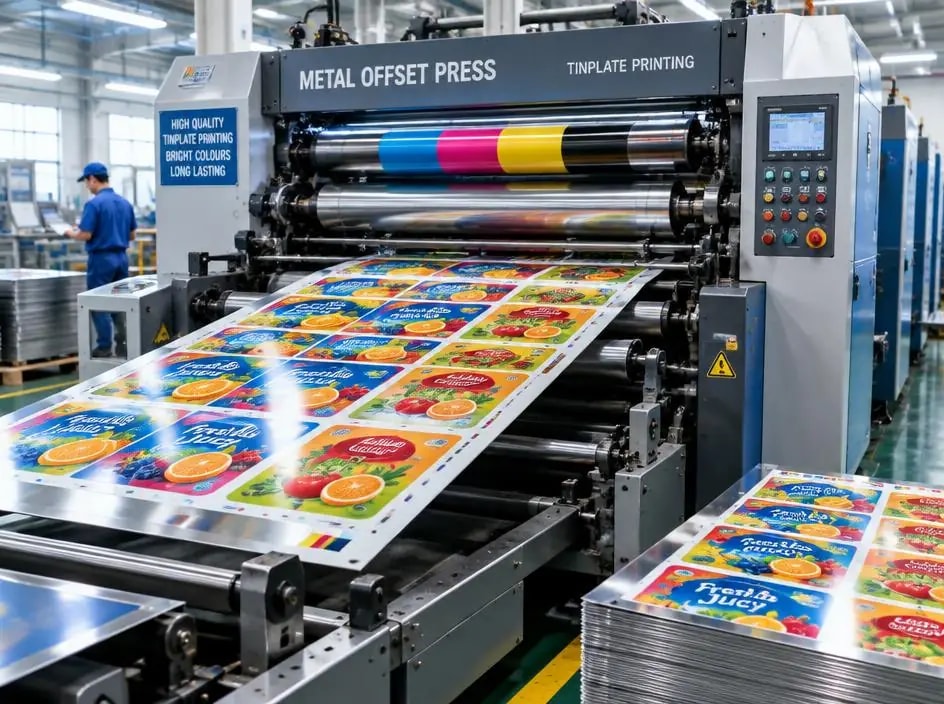
Lacquering and multi-colour printing for brand-ready sheets.
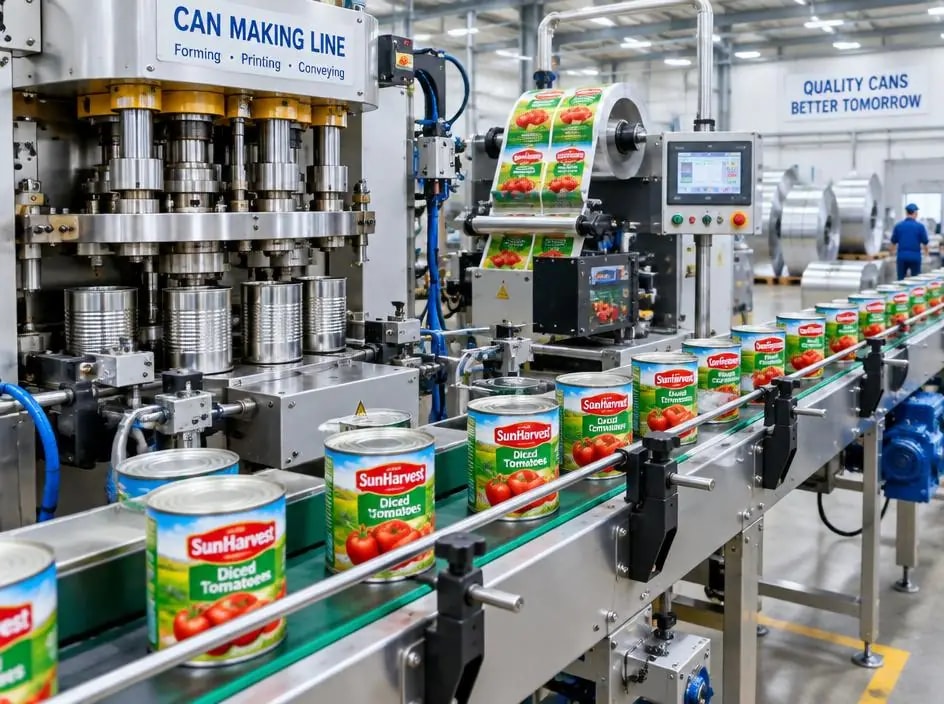
Printed sheets formed into cans, tins and containers.
How Tinplate is made
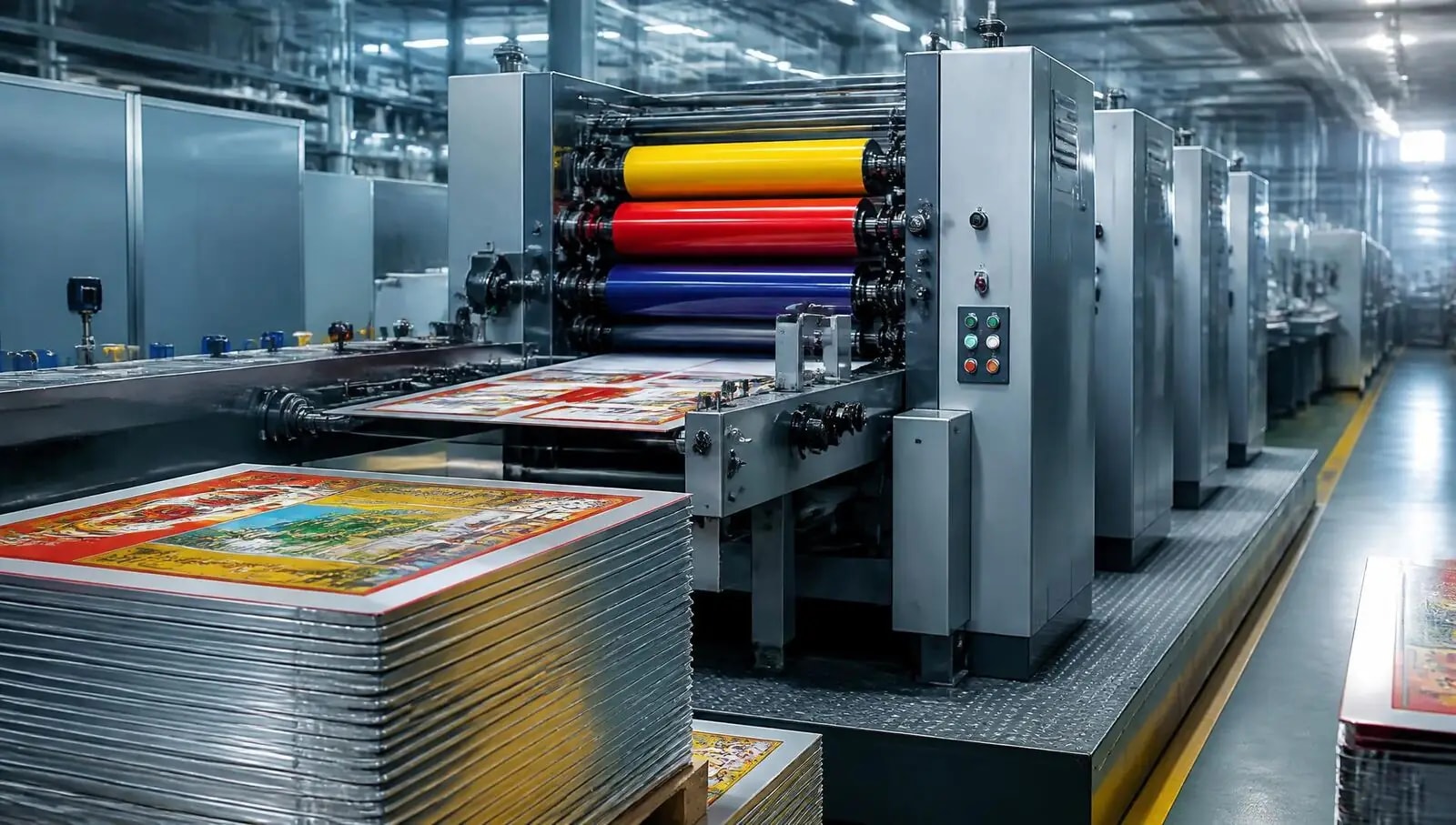
Tin mill black plate is electrolytically plated with a thin, food-safe layer of tin on both faces.
- 1Base plate
Cold-reduced TMBP is produced to the ordered temper — T2 through DR9 — and thickness from 0.13 mm to 0.60 mm.
- 2Electrolytic tinning
The strip runs through a tin electrolyte where current deposits a precisely metered tin coating.
- 3Reflow & passivation
Momentary melting brightens the tin and forms an alloy bond; passivation and oiling protect it in storage.
- 4Shearing & printing
We shear to can-maker sheet sizes and, where required, print the sheet by metal offset before forming.
Tinplate technical reference
Standards we supply against: IS 1993:2018 · ISO 11949:2016 · ASTM A623 · EN 10202. A downloadable specification sheet is available above.
- E2.8/2.8
- 2.8 g/m² each face — general line, lacquered
- E5.6/5.6
- 5.6 g/m² each face — food contact, unlacquered service
- E2.8/5.6
- Differential coating — heavier inside face
- E11.2/11.2
- Heavy coating — aggressive contents
- T1 / T2
- Soft — deep drawn ends and shallow-draw bodies
- T3 / T4
- Medium — general can bodies and ends
- T5
- Hard — components requiring stiffness
- DR8 / DR9
- Double reduced — thin gauge, high strength
- T2
- ~205 – 245 MPa
- T3
- ~245 – 305 MPa
- T4
- ~305 – 365 MPa
- DR8
- ~550 – 620 MPa
- DR9
- ~620 – 690 MPa
- Bright
- Reflowed, high-gloss — decorative and printed work
- Stone
- Directional matt finish from stone-finished rolls
- Matt
- Non-reflowed, low gloss — heavy lacquer keying
- Silver
- Intermediate finish between bright and matt